Regulatory Analysis / EUDR Compliance / Ingredient Traceability
The Plot That Doesn't Exist
EUDR, Customary Land Tenure, and the Compliance Gap Nobody Is Talking About for Vitellaria nilotica Seed
Butter.
The EU Deforestation Regulation requires plot level geolocation coordinates for every commodity entering the
EU market. In Northern Uganda's Nile Basin, where Vitellaria nilotica seed butter originates, approximately
75% of land is held under customary communal tenure. There is no plot to map.
By Brender Atukwatse, Co Founder, Atunile Organics, Kampala, Uganda.
May 2026.
The EU Deforestation Regulation, which takes effect for most operators in December 2026, requires every
commodity placed on the EU market to include geolocation coordinates identifying the plot of land where it
was produced.
For cocoa, this means farm GPS points. For cattle, pasture coordinates. For shea butter, it means collection
zones where wild nuts were gathered from trees that have never been cultivated, converted, or commercially
planted.
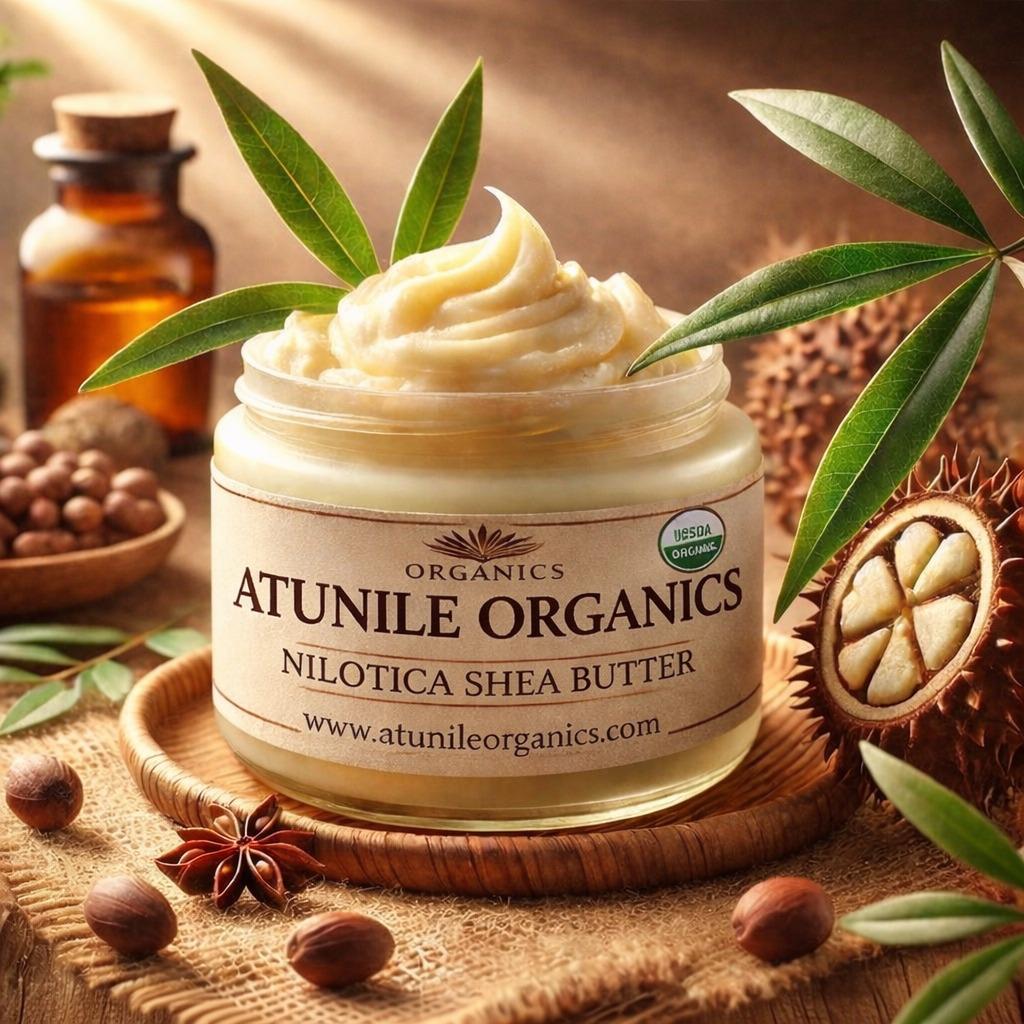
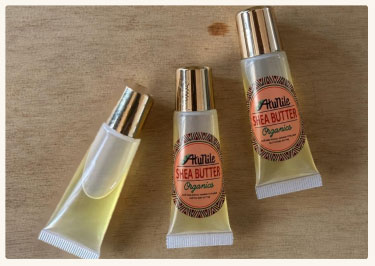
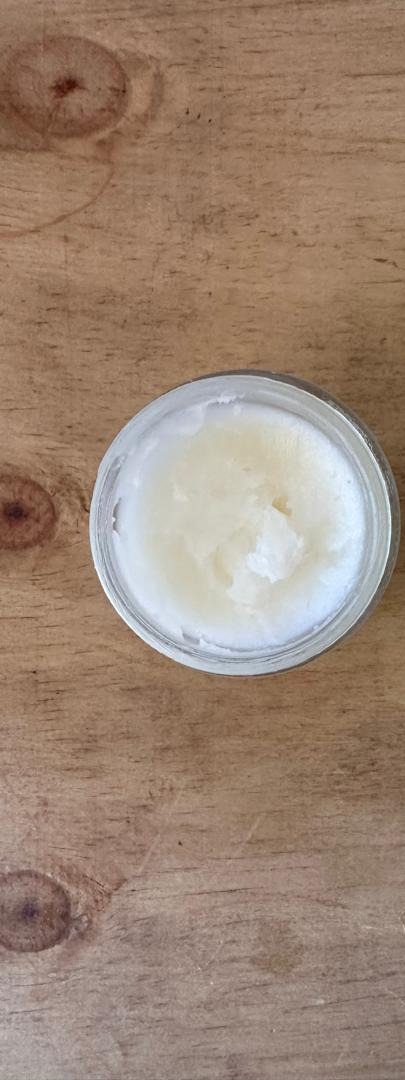
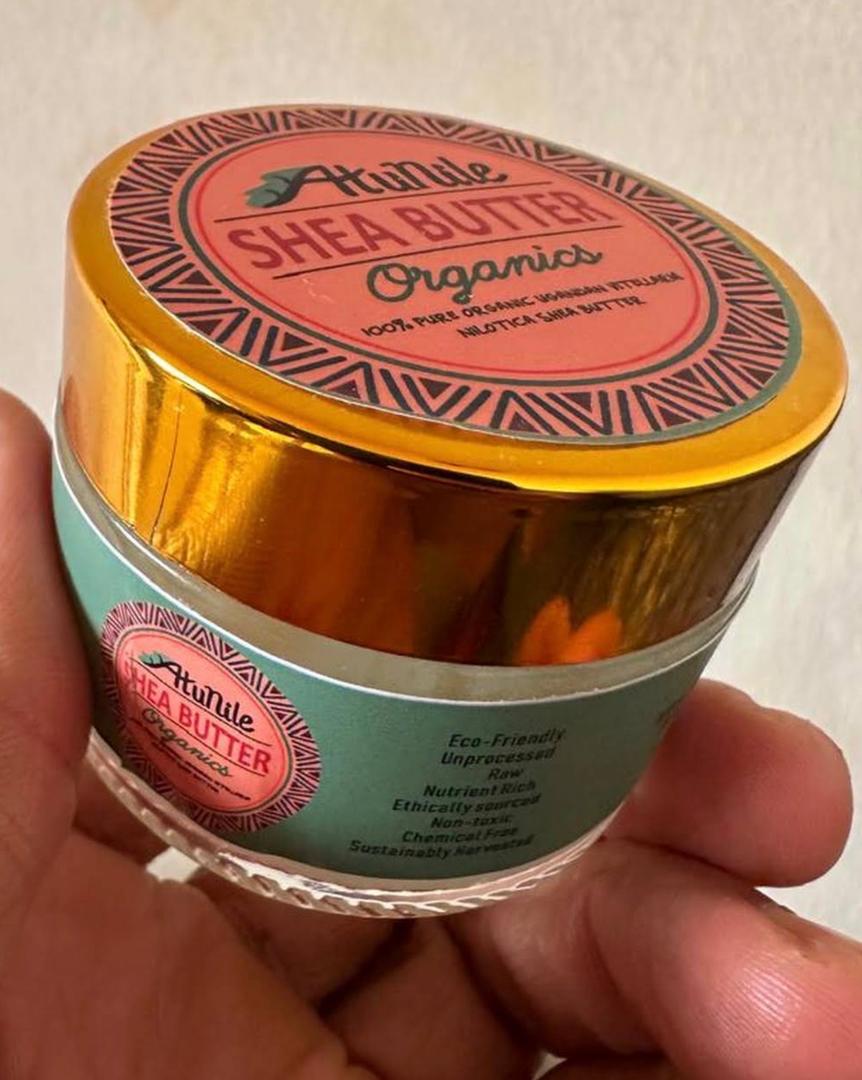
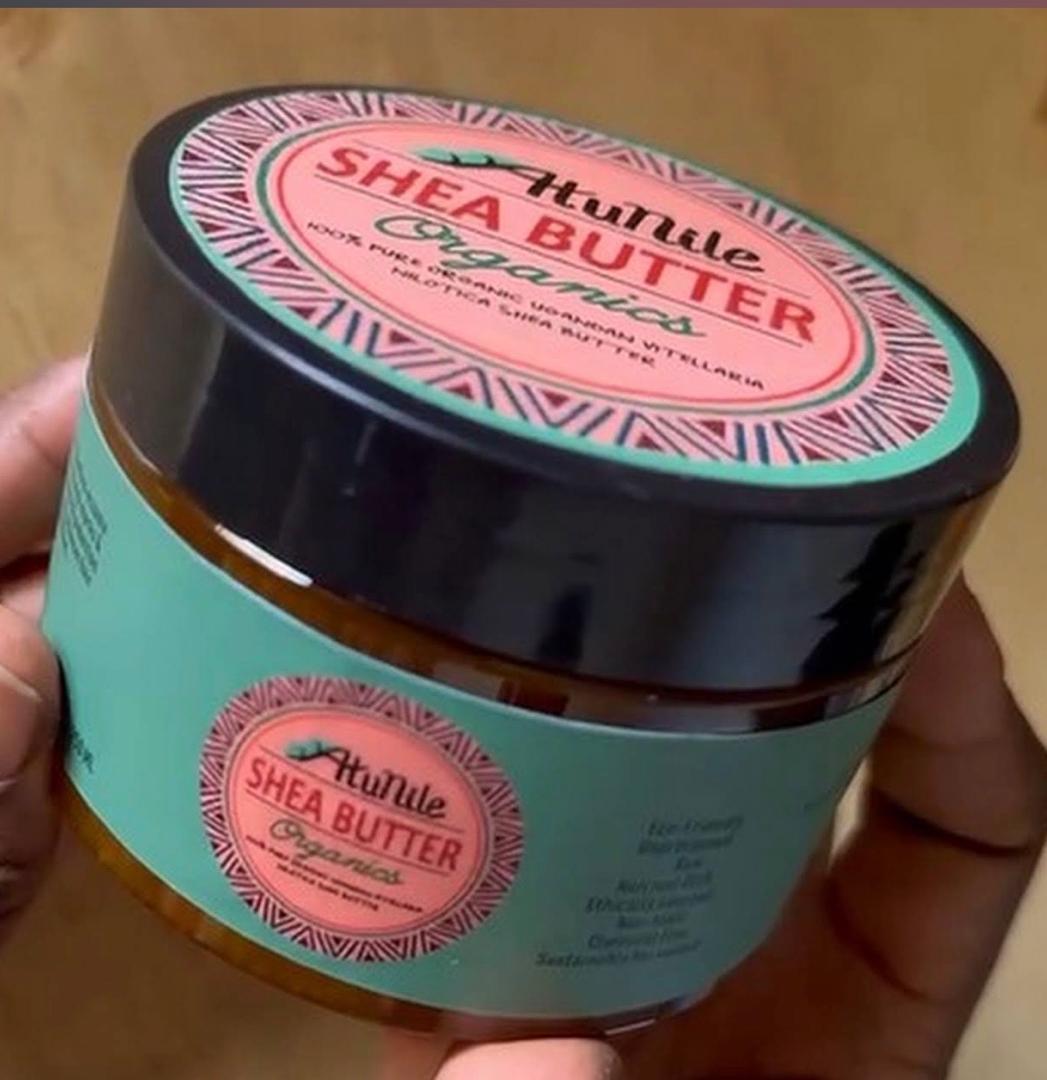
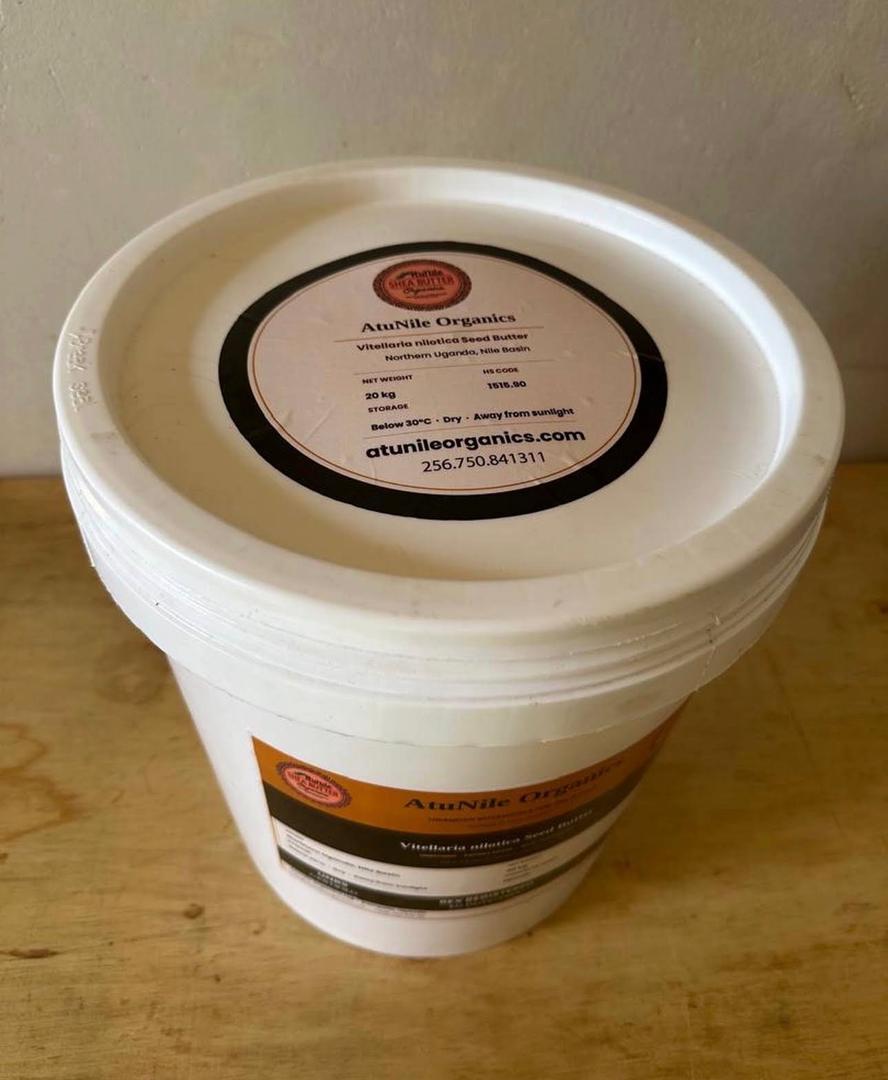
Atunile Organics is a specialty exporter of Vitellaria nilotica seed butter based in Kampala, Uganda. This
month, we submitted formal feedback to the European Commission's EUDR delegated act consultation.
What Vitellaria nilotica Seed Butter Is
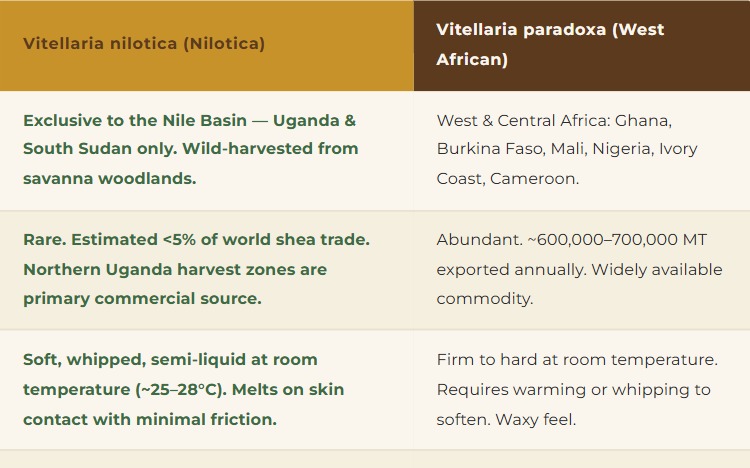
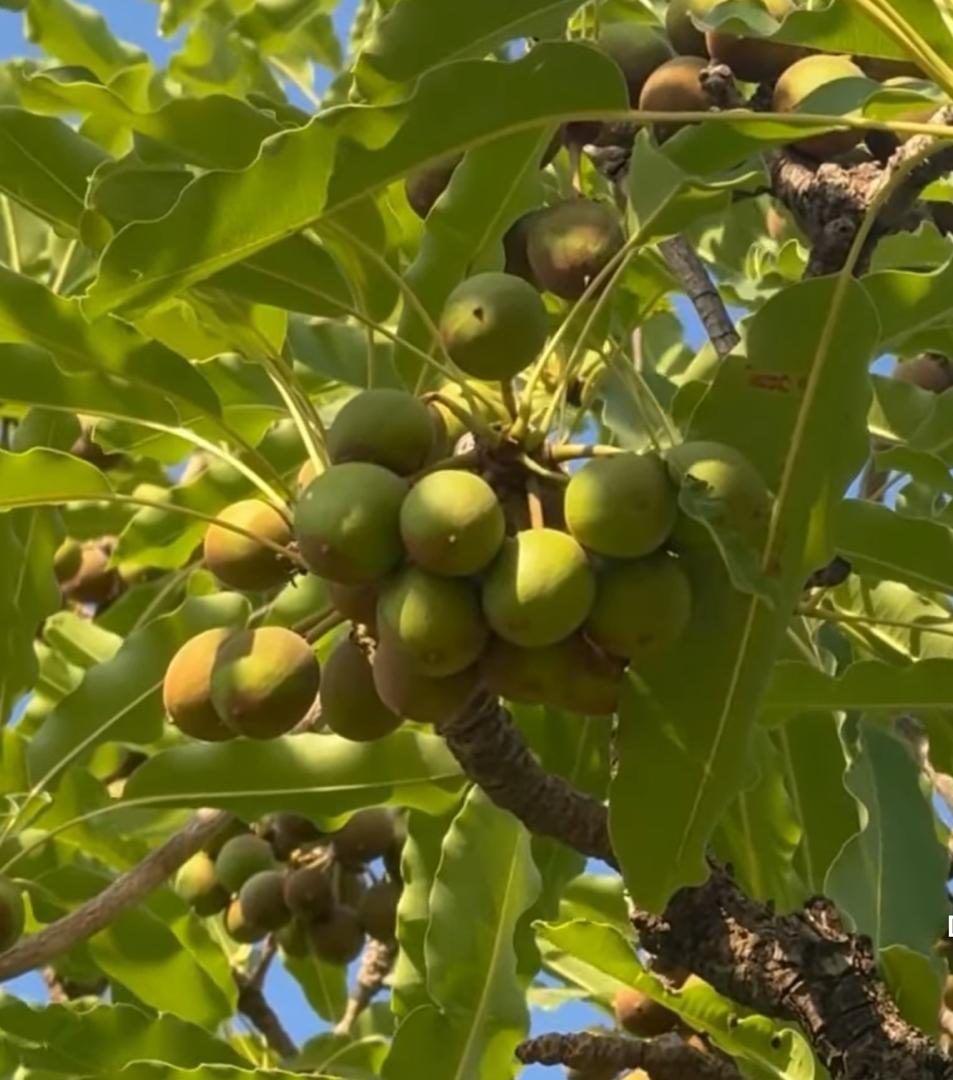
Vitellaria nilotica seed butter is not a variety of West African shea. It is a distinct subspecies found
only in Uganda and South Sudan within the Nile Basin.
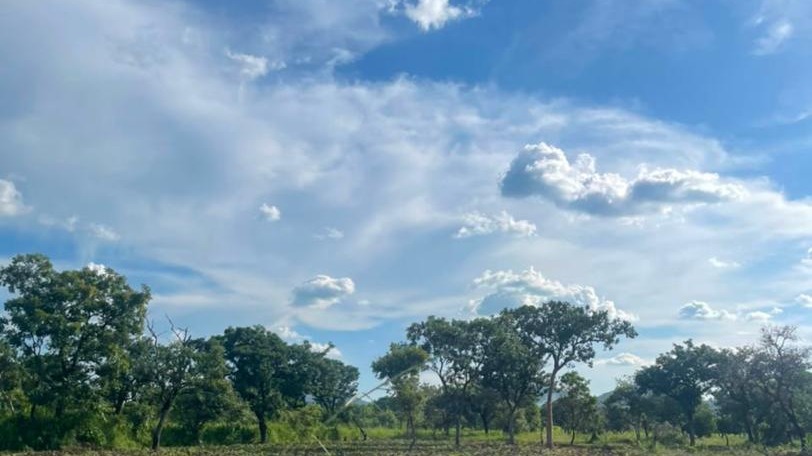
It is harvested from wild parkland trees, not plantations. The trees are legally protected under Ugandan
law.
Vitellaria nilotica contains a higher oleic acid content than Vitellaria paradoxa from West Africa. The
result is faster skin absorption, a lower melt point, and a softer texture preferred by many formulators.
For buyers, the key issue is supply. There is one geography. There is no substitute. Most of this geography
exists under Uganda's customary land tenure system.
What Customary Tenure Means in Practice
Uganda recognizes four land tenure systems. Freehold, leasehold, Mailo, and customary tenure. Roughly 75% of
land in Uganda falls under customary tenure.
This land is governed by longstanding community norms rather than registered titles or surveyed plot
boundaries.
There are no formal plot records because the land was never divided into titled parcels. There are no land
conversion records because the land has never been converted.
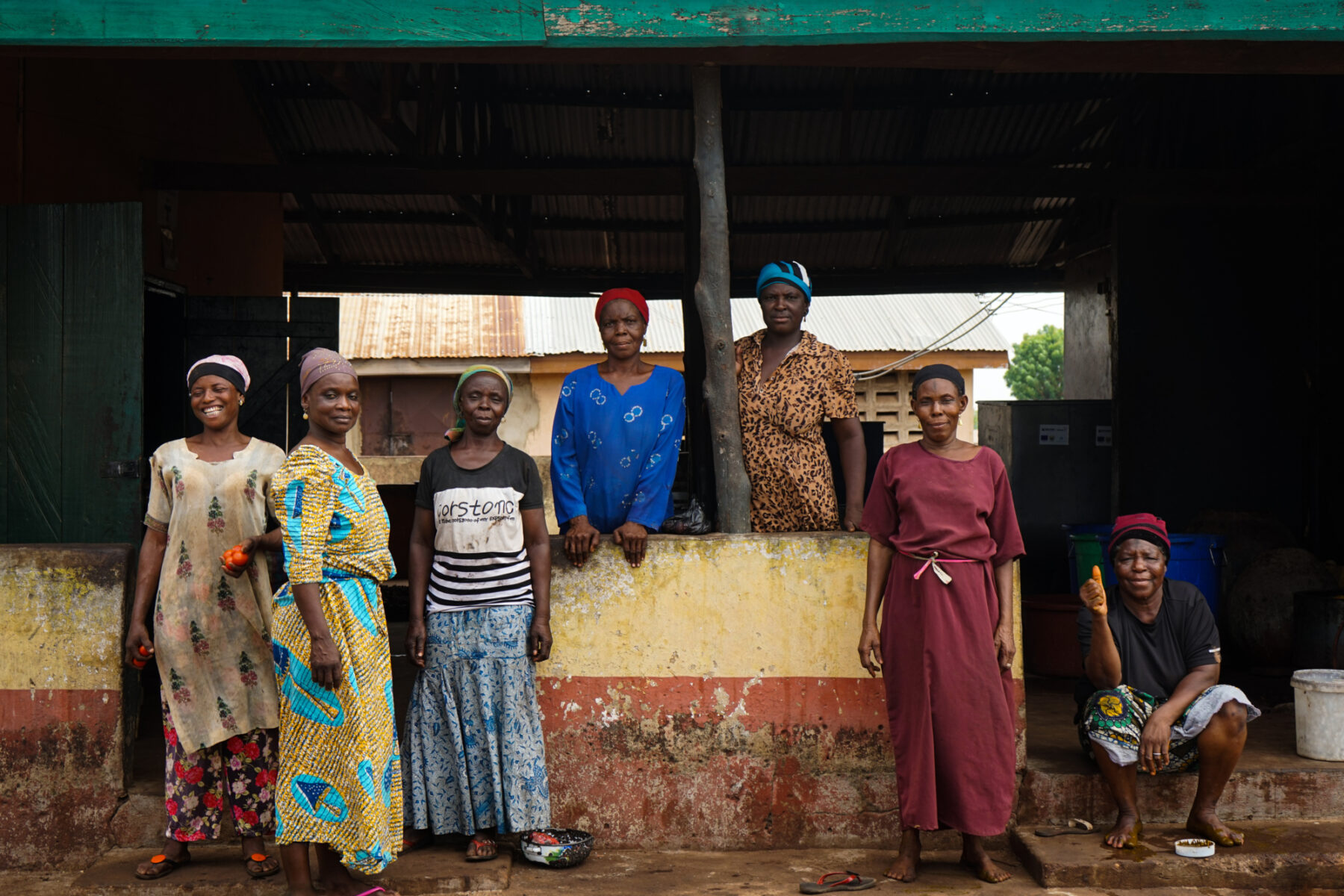
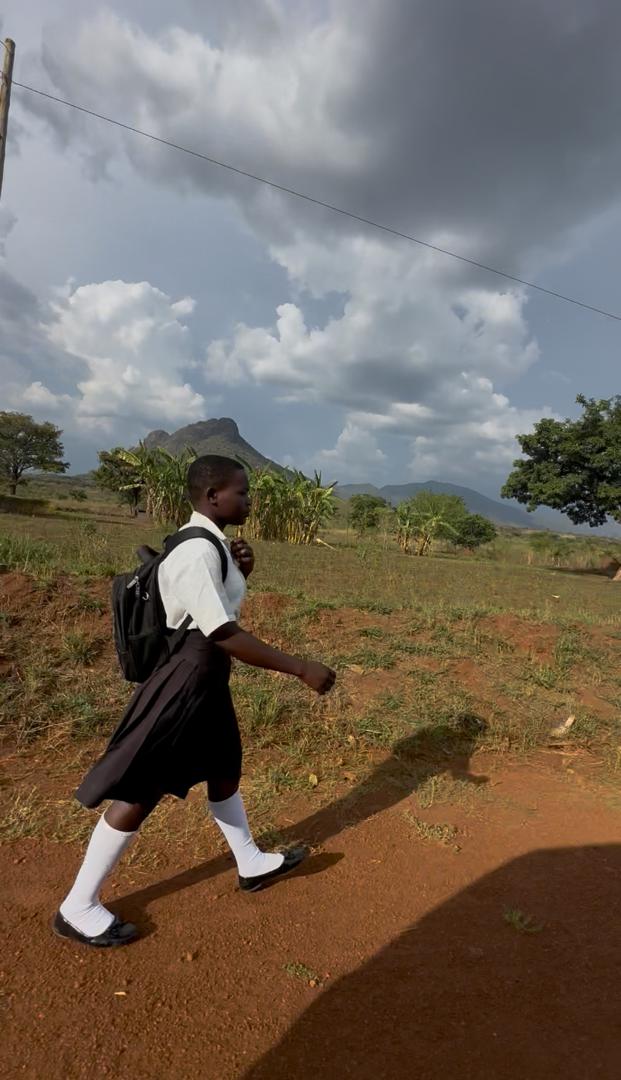
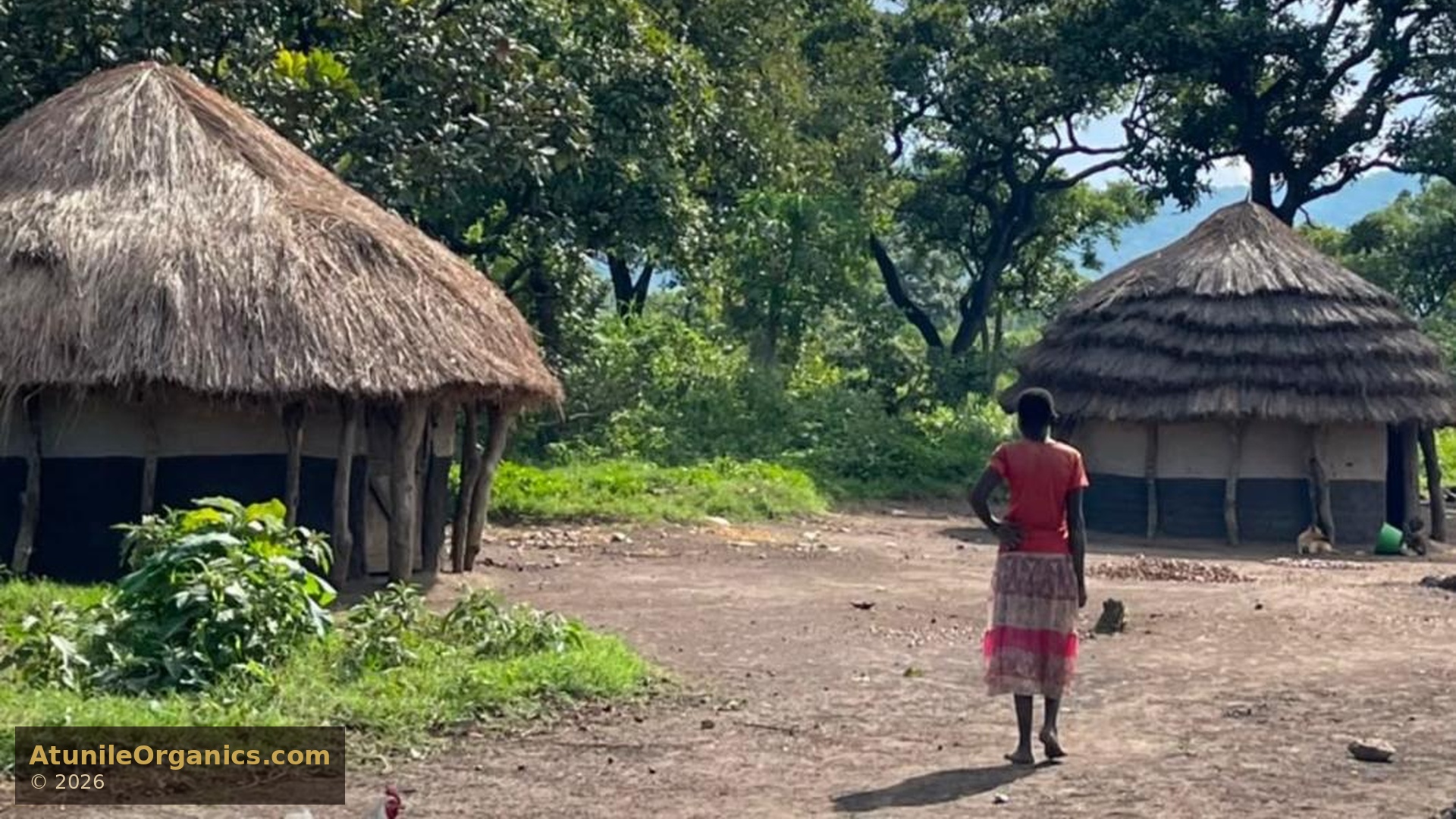
Women harvesting Vitellaria nilotica nuts move through wide communal parklands across seasonal collection
zones. The landscape includes grazing land, subsistence farming areas, and forest buffer zones without
formal titles or registered boundaries.
"There is no plot to map, because there is no plot. The land has been communally managed for generations."
The Regulatory Gap
The EUDR currently requires operators to provide geolocation information identifying the plot of land where
commodities were produced.
For cultivated crops on titled land, this is achievable. For wild harvested commodities gathered across
customary communal parkland, it creates a structural compliance gap.
This is not a documentation problem. It is an architectural problem inside the regulation itself.
Asking a women's cooperative in Pader District to provide plot level GPS coordinates for communally
harvested shea is structurally incompatible with the tenure system where the commodity originates.
The December 2026 deadline is fixed. Current European Commission guidance has not resolved this issue for
wild harvested commodities.
What Has Been Documented Elsewhere
The compliance gap between EUDR plot requirements and African customary land tenure systems has already been
documented for coffee and cocoa sectors in Uganda, Ethiopia, and Côte d'Ivoire.
Organizations including Rainforest Alliance and IDH have raised concerns in broader commodity reports.
The European Commission acknowledged in 2023 implementation guidance that smallholder and community land
systems create unique compliance challenges. However, workable alternative pathways for wild harvested
commodities remain unclear.
The Global Shea Alliance has discussed EUDR readiness for shea broadly. The Nilotica subspecies, which
represents less than 1% of global shea trade, has not received focused regulatory attention.
What EU Buyers Should Be Asking Right Now
If you source Vitellaria nilotica seed butter from Uganda for placement on the EU market after December
2026, there are critical questions worth asking now.
First, has your supplier documented harvest zones using polygon based geospatial mapping rather than point
coordinates?
Polygon based harvest zone mapping tied to satellite imagery showing no deforestation is currently the
strongest available evidentiary position for wild harvested commodities under customary tenure systems.
Second, does your supplier have evidence showing the land is not at risk of deforestation?
Wild parkland shea is structurally anti deforestation. The trees are legally protected in Uganda. Harvesting
depends on maintaining standing trees and intact ecosystems.
Third, has your supplier formally engaged with the customary tenure compliance gap, or are they assuming the
issue will resolve itself before the deadline?
At Atunile Organics, we built our EUDR pre compliance infrastructure around polygon based harvest zone
documentation linked to satellite land cover evidence from Global Forest Watch and Google Earth Engine.
We maintain cooperative registries separately from buyer facing documentation. We submitted feedback
directly to the European Commission consultation process.
We do not claim full EUDR compliance, because no exporter sourcing from customary tenure land in Uganda can
honestly make that claim today.
What we can say is this. We understand the gap. We are building the strongest evidentiary framework
currently available to a small Nilotica shea exporter.
The Bigger Picture
The EUDR is an important regulation. Its goal, breaking the commercial link between EU consumption and
deforestation, matters.
Wild harvested Vitellaria nilotica seed butter from Northern Uganda is not a deforestation risk. It is the
opposite.
The women who collect the nuts depend on preserving the trees. The trees are legally protected. The parkland
ecosystem remains intact.
Under the current regulatory structure, the absence of formal plot titles risks being interpreted as a
compliance weakness rather than evidence of a longstanding land stewardship system that has protected these
landscapes for generations.
That is the argument we made in our submission to the Commission.
The December 2026 deadline is approaching quickly. The plot that does not exist needs to be addressed before
it becomes a shipment that cannot clear customs.
Free Resource
Want the full compliance framework?
The Atunile Organics EUDR Playbook includes supplier engagement templates, DDS checklists, risk assessment
frameworks, and compliance stress testing tools for buyers and exporters.
Download the EUDR Playbook. (Click on the Blog titled EUDR)
Brender Atukwatse is co founder of Atunile Organics, a Kampala based exporter of Vitellaria nilotica seed
butter. Atunile Organics is a Global Shea Alliance member and REX registered exporter under the EU EBA
scheme.
EUDR pre compliance documentation available on request.
Contact: atukwatseb@atunileorganics.com
— Free Resource
Download Our EUDR Playbook
The Nilotica Shea EUDR Playbook goes deeper — supplier engagement templates, risk assessment frameworks, DDS
checklist, and a full compliance stress test. We will send it directly to your inbox.
✓ Request received.
Check your inbox — the Playbook is on its way.
We respect your inbox. Your details go to Atunile Organics only. No third-party sharing, no newsletters unless
you opt in.