Why Our Shea Costs More — and Why That's Actually the Point
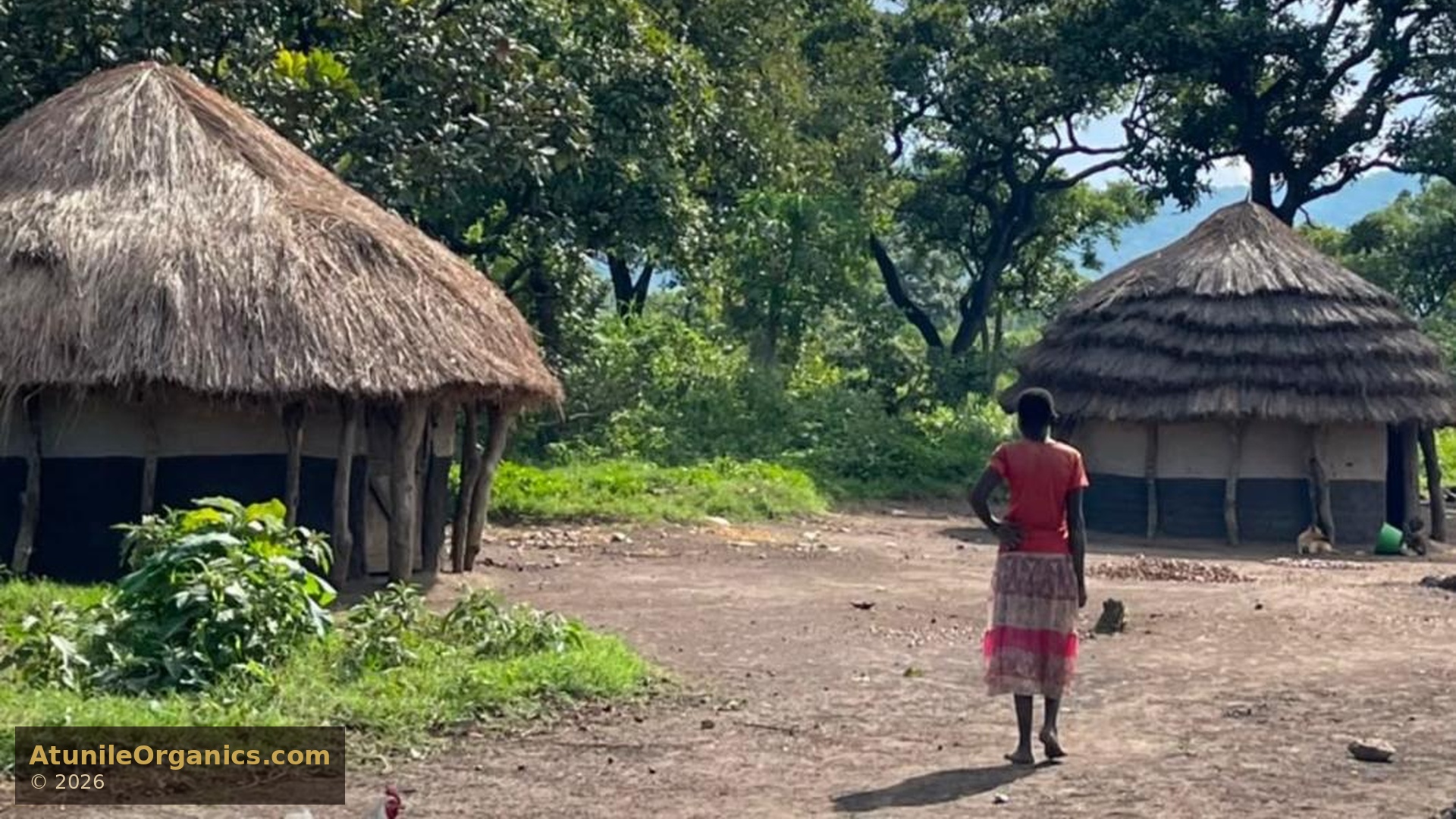
Northern Uganda — Vitellaria nilotica parkland, Nile Basin. Source region for Atunile Organics wild-harvested shea butter.
I get this question a lot from buyers looking at our price sheet next to a bulk West African quote. Fair question. Let me answer it the way I would answer it standing in front of a batch of Nilotica butter here in Kampala.
Most shea butter on the market runs 40 to 55 percent oleic acid, with a melting point up around 32 to 45 degrees Celsius. That is a stiffer butter. It takes more work in a formulation lab to soften it into something that spreads well on skin.
Nilotica is not a premium version of the same shea everyone else sells. It is a different raw material — with a different fatty acid profile, wild harvested from parkland trees that have never been touched by a plantation.
What makes Nilotica chemically different
Nilotica is different because it comes from a different subspecies — Vitellaria nilotica — and it only grows in the Nile Basin of Northern Uganda. Our butter runs 55 to 65 percent oleic acid and melts at 23 to 27 degrees Celsius. That means it blends into a formulation more readily, needs less added oil to get the texture right, and gives you a lighter, balm-to-oil finish without reworking your whole base recipe.
| Species | Vitellaria nilotica (Nile Basin) |
|---|---|
| Oleic Acid | 55–65% (Nilotica) vs 40–55% (Paradoxa) |
| Melting Point | 23–27°C (Nilotica) vs 32–45°C (Paradoxa) |
| Texture | Softer, creamier, readily absorbed at body temperature |
| Source | Wild-harvested parkland trees — no plantation cultivation |
| Geographic Exclusivity | Nile Basin only — not replicable elsewhere |
The economics when you price per finished unit
Yes, the price per kilo is higher. But when a formulator prices it per finished unit instead of per kilo of raw input, that gap closes fast. You are not fighting the material to get the result your customers expect, and you are not adding extra steps or extra ingredients to compensate for a stiffer butter.
This is the thing I want buyers in cosmetics and pharma to understand about Nilotica. We are not asking you to pay more for the same thing. We are asking you to pay for what the material actually does in your formulation.
Where it comes from
The Vitellaria nilotica trees in our supply zones in Northern Uganda have stood for generations. Women cooperatives collect fallen nuts from these trees during harvest season. There is no clearing. No cultivation. No plantation model. The supply chain we have built at Atunile Organics traces every batch back to cooperative level, with geospatial harvest zone documentation that meets the incoming requirements of the EU Deforestation Regulation.
Request a Product Specification or Sample
Our product specification sheet, COA, and EUDR pre-compliance documentation are available to qualified buyers. Reach us directly below.
Or call/text: +256 750 841 311
Not ready to reach out yet? info@atunileorganics.com|atunileorganics.com
Learn more about our sourcing: atunileorganics.com/blog·Community partner: Nilotica Shea Community Foundation | nscfu.org